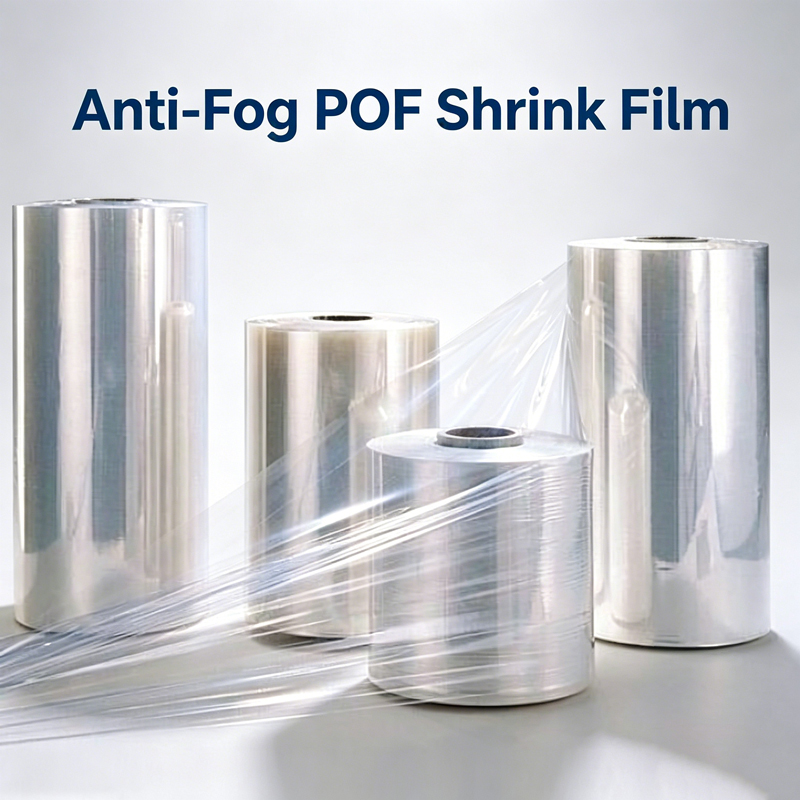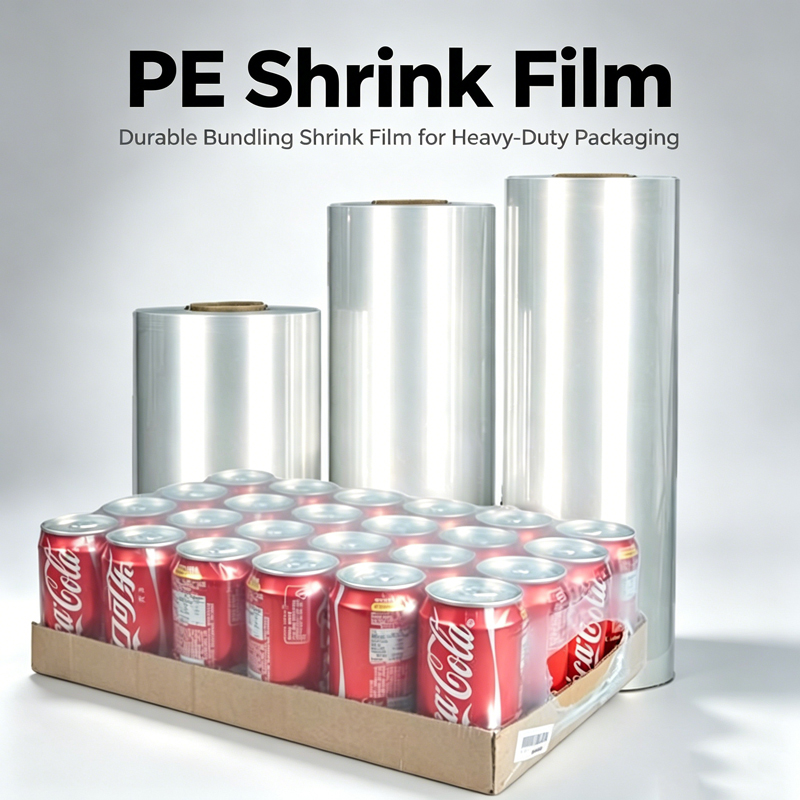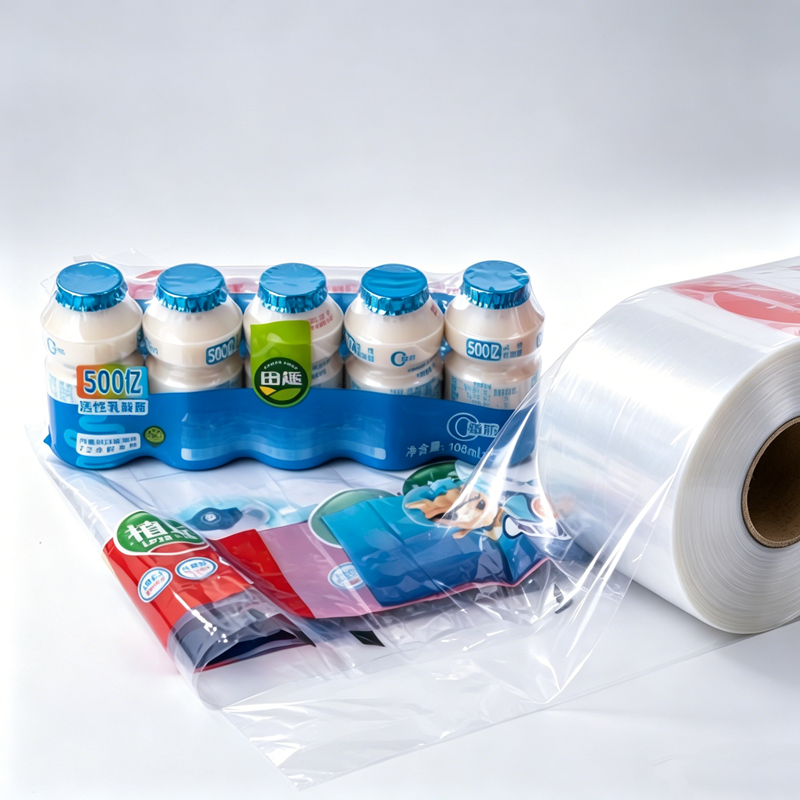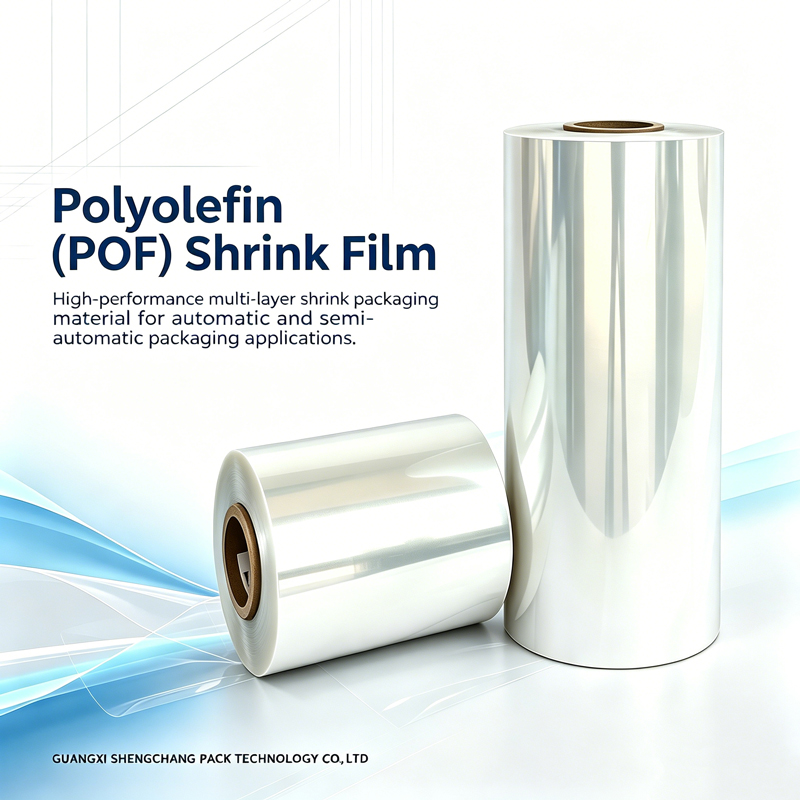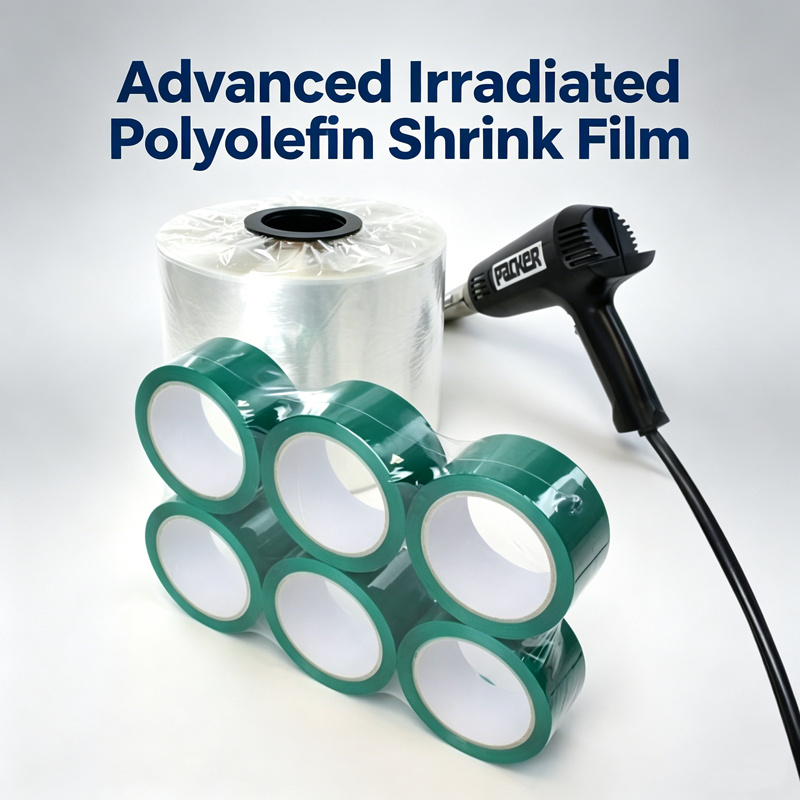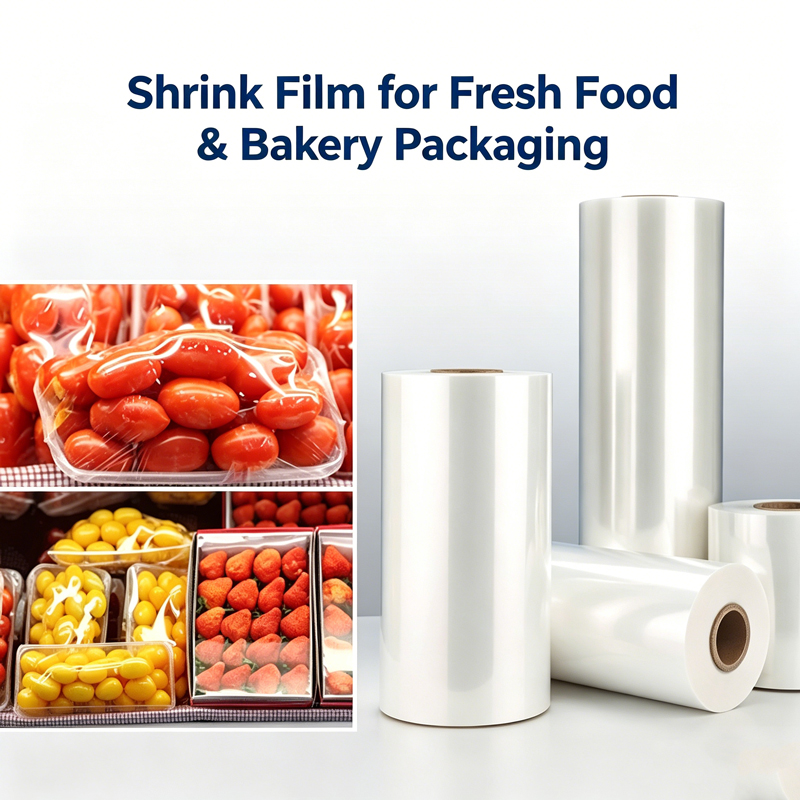



Choosing the right shrink film can make a significant difference in product protection, packaging appearance, production efficiency, and overall cost. The two common options are cross-linked shrink film and non-cross-linked shrink film.
Although both films are designed to wrap and protect products, they differ in strength, shrink performance, clarity, durability, and cost.
This article explains the key differences between cross-linked and non-cross-linked shrink films and their typical applications.
What Are Shrink Films?
Shrink films are polymer-based packaging materials that shrink when exposed to heat. During the packaging process, the film wraps tightly around the product, providing protection and an attractive appearance.
Shrink films are widely used for food and beverage, cosmetics, household products, stationery, electronics, and other consumer goods.
What Are Cross-Linked Shrink Films?
Cross-linked shrink films are POF shrink films that undergo an additional cross-linking process. This process improves the film's molecular structure and provides higher strength, better tear and puncture resistance, and excellent clarity.
Cross-linked films are particularly suitable for demanding packaging applications and high-speed automatic packaging lines.
What Are Non-Cross-Linked Shrink Films?
Non-cross-linked films are standard POF shrink films without the additional cross-linking process.
They offer good flexibility, clarity, shrinkability, and sealing performance, making them a cost-effective choice for general packaging applications.
Key Differences Between Cross-Linked and Non-Cross-Linked Shrink Films
Although both films are used to wrap and protect products, their performance and applications can be different.
1. Strength and Durability
Cross-linked: Higher strength with excellent tear and puncture resistance. Suitable for heavy, sharp-edged, or irregular products.
Non-cross-linked: Good flexibility and mechanical strength for standard products and general packaging applications.
2. Shrinkability and Fit
Cross-linked: Provides strong and consistent shrink performance, helping achieve a tight and smooth package around irregular or complex shapes.
Non-cross-linked: Provides reliable shrink performance and is suitable for most standard packaging applications.
3. Heat Resistance
Cross-linked: Offers better thermal stability and can perform well under demanding packaging conditions.
Non-cross-linked: Suitable for conventional shrink packaging applications under normal processing conditions.
4. Cost
Non-cross-linked: Generally more economical and suitable for cost-sensitive applications.
Cross-linked: Usually has a higher cost due to the additional cross-linking process, but its higher performance can provide better overall packaging efficiency.
5. Clarity and Finish
Cross-linked: Excellent clarity and gloss, providing an attractive and premium package appearance.
Non-cross-linked: Also offers good clarity and gloss, making it suitable for a wide range of everyday packaging applications.
Cross-Linked vs. Non-Cross-Linked Shrink Film
| Feature | Non-Cross-Linked Film | Cross-Linked Film |
|---|---|---|
| Cost | More economical | Higher cost |
| Flexibility | Good | Good strength and stability |
| Strength | Good | Excellent |
| Tear & puncture resistance | Good | Excellent |
| Clarity | Excellent | Excellent |
| Packaging speed | Suitable for standard lines | Ideal for demanding/high-speed lines |
| Suitable for | Regular and lightweight products | Heavy, sharp, irregular, or premium products |
Which Shrink Film Should You Choose?
Non-cross-linked POF film is a practical choice when cost efficiency and standard packaging performance are the main priorities.
Cross-linked POF film is recommended when higher strength, better puncture resistance, and more demanding packaging performance are required.
The right choice depends on the product, packaging machine, production speed, and required film thickness.
Conclusion
Both cross-linked and non-cross-linked shrink films have important applications in the packaging industry.
Cross-linked films provide enhanced strength, durability, and packaging performance for demanding applications, while non-cross-linked films offer a more economical solution for standard packaging needs.
Choosing the right film can help improve product protection, packaging efficiency, appearance, and overall packaging cost.
FAQs
Which shrink film is better for high-speed packaging lines?
Cross-linked shrink films are generally better suited to high-speed automatic packaging because of their higher strength and resistance to film breakage.
Are non-cross-linked shrink films cheaper?
Yes. Non-cross-linked POF films are generally more economical and are widely used for standard and cost-sensitive packaging applications.
Can cross-linked shrink film reduce packaging waste?
Yes. Because cross-linked films offer higher strength, certain applications may allow the use of a thinner film gauge while maintaining adequate product protection, potentially reducing material consumption.