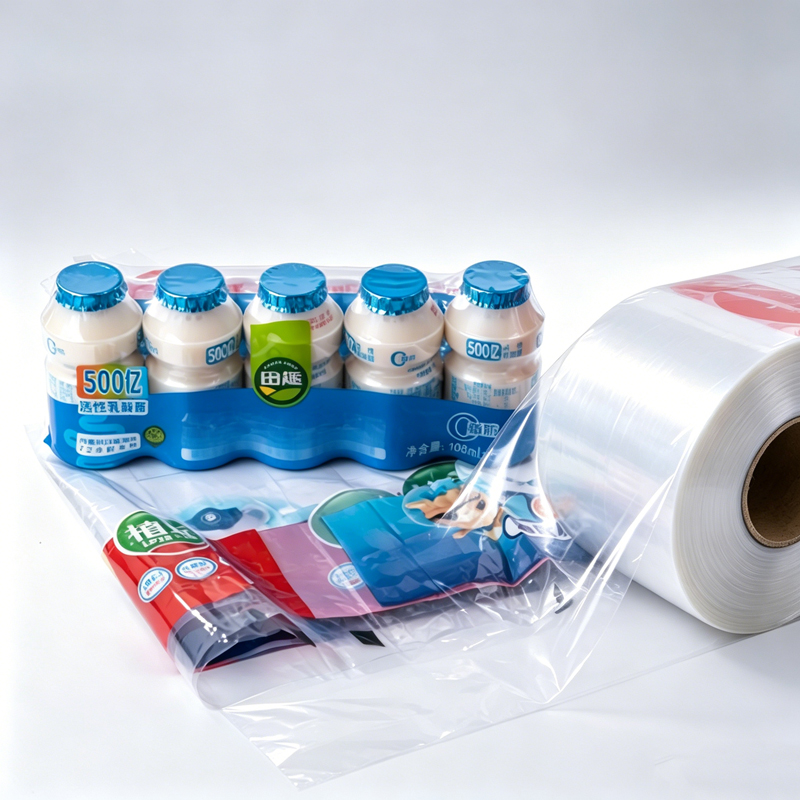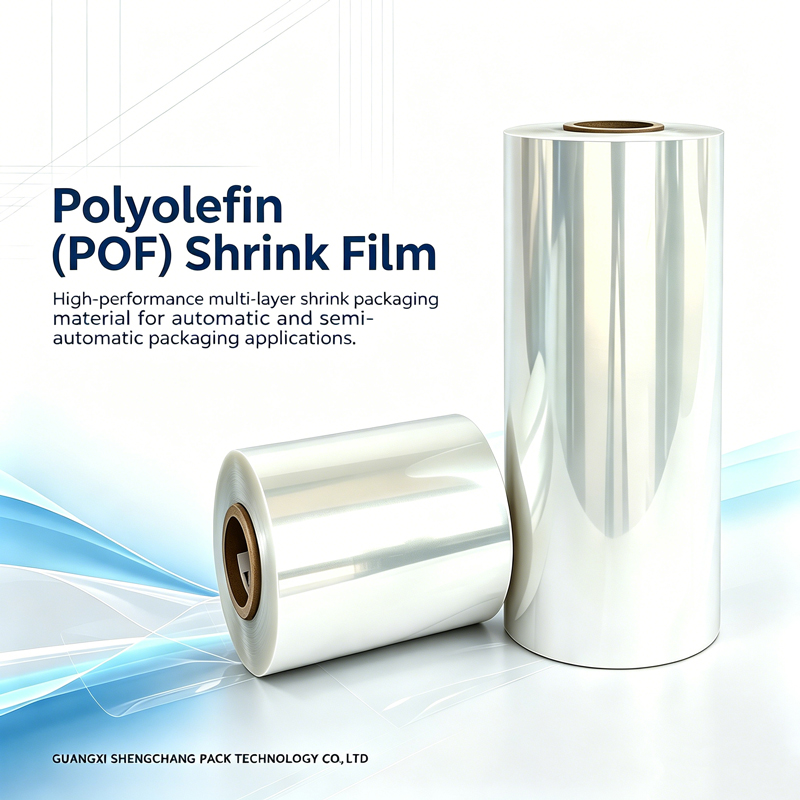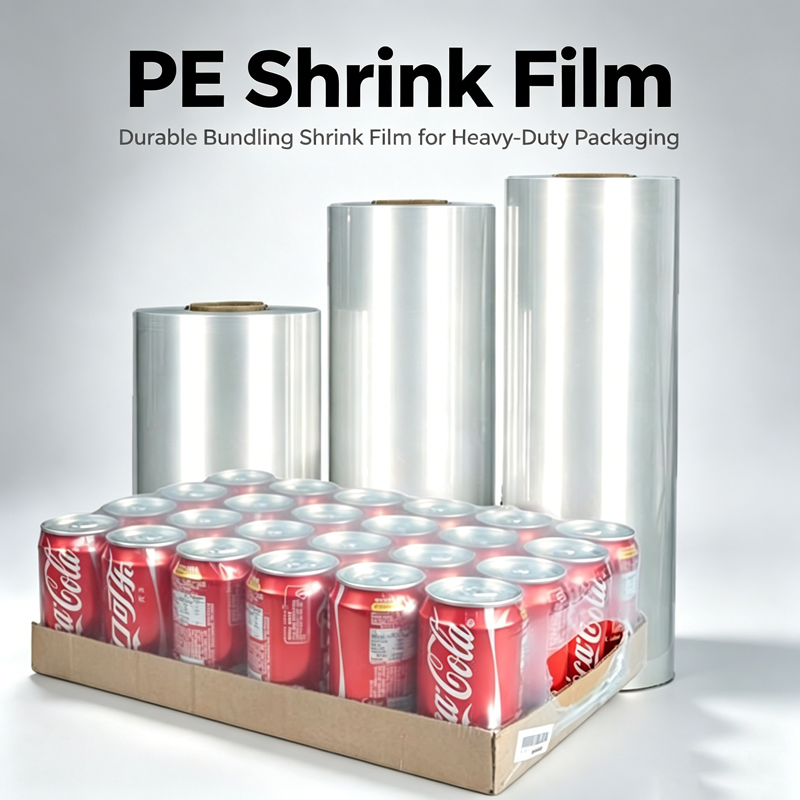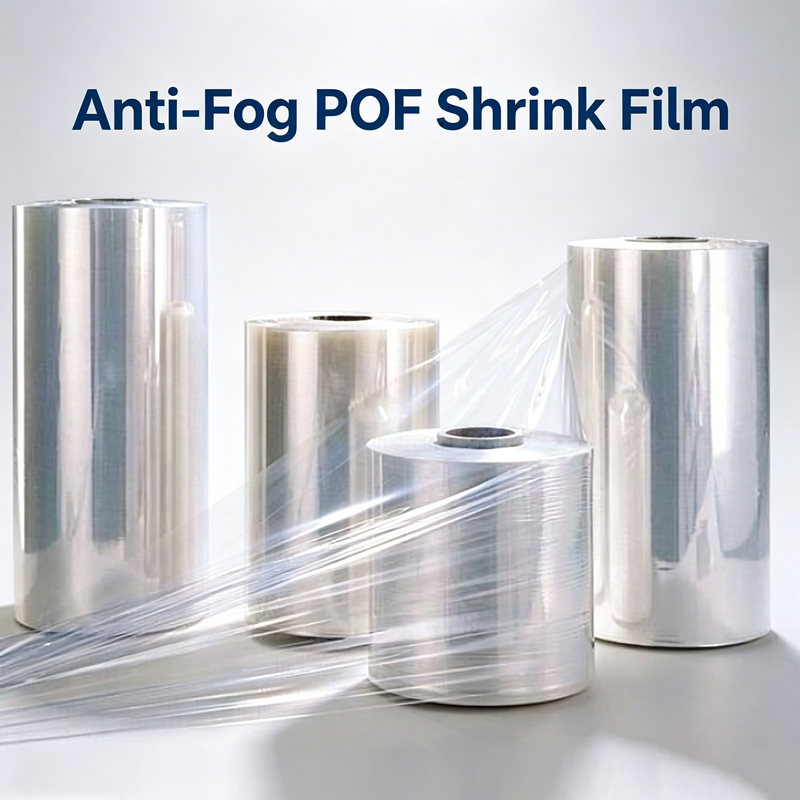



Low-temperature POF shrink film is a polyolefin shrink film designed to achieve effective shrinkage at lower temperatures than conventional shrink films. It is particularly useful for packaging products that can be affected by excessive heat, such as chocolates, candles, cosmetics, printed materials, and other heat-sensitive products.
By reducing the heat required during the shrinking process, low-temperature POF shrink film can help protect the packaged product while improving packaging efficiency and reducing unnecessary thermal exposure.
What Is Low-Temperature POF Shrink Film?
Low-temperature POF shrink film is a type of polyolefin shrink film formulated to activate and shrink efficiently at relatively low temperatures.
Compared with conventional shrink films that may require higher heat exposure, low-temperature POF film is designed to provide good shrink performance with a lower thermal load. The actual shrink temperature and processing conditions depend on the film structure, thickness, packaging machine, shrink tunnel, and product being packaged.
This makes low-temperature POF shrink film a practical option when standard shrink film may expose products to excessive heat.
1. Ideal for Heat-Sensitive Products
One of the main advantages of low-temperature POF shrink film is its suitability for heat-sensitive products.
Products such as:
Chocolate and confectionery
Candles
Cosmetics
Printed materials
Stationery
Certain food products
Consumer goods sensitive to heat
may benefit from reduced heat exposure during packaging.
For heat-sensitive products, controlling both the shrink temperature and exposure time is important. A suitable low-temperature POF film can help achieve a tight and attractive package without unnecessarily heating the product.
2. Faster Shrink Packaging
Low-temperature shrink film can help reduce the amount of heat exposure required during the shrinking process.
When the film reaches its appropriate shrink activation temperature efficiently, packaging lines may be able to optimize conveyor speed and tunnel settings. This can improve overall packaging productivity, particularly in high-volume applications.
However, the actual production speed depends on several factors, including:
Film thickness
Product size and shape
Shrink tunnel temperature
Conveyor speed
Air circulation
Packaging machine configuration
Therefore, the film should always be tested under the actual production conditions before changing machine settings.
3. Reduced Thermal Load on Packaging Equipment
Lower-temperature shrink processing can also reduce the thermal load placed on packaging equipment.
For automatic and semi-automatic shrink packaging lines, optimizing sealing and shrinking conditions can help reduce unnecessary heating cycles and improve operating efficiency.
The sealing temperature should not be confused with the shrink temperature. These are separate parameters and should be adjusted according to the film specification and sealing equipment.
4. Suitable for Automatic and Manual Packaging Machines
Low-temperature POF shrink film can be used with different types of shrink packaging equipment, depending on the film specification and machine configuration.
Typical equipment includes:
L-bar sealing and shrinking machines
Side-seal shrink wrapping machines
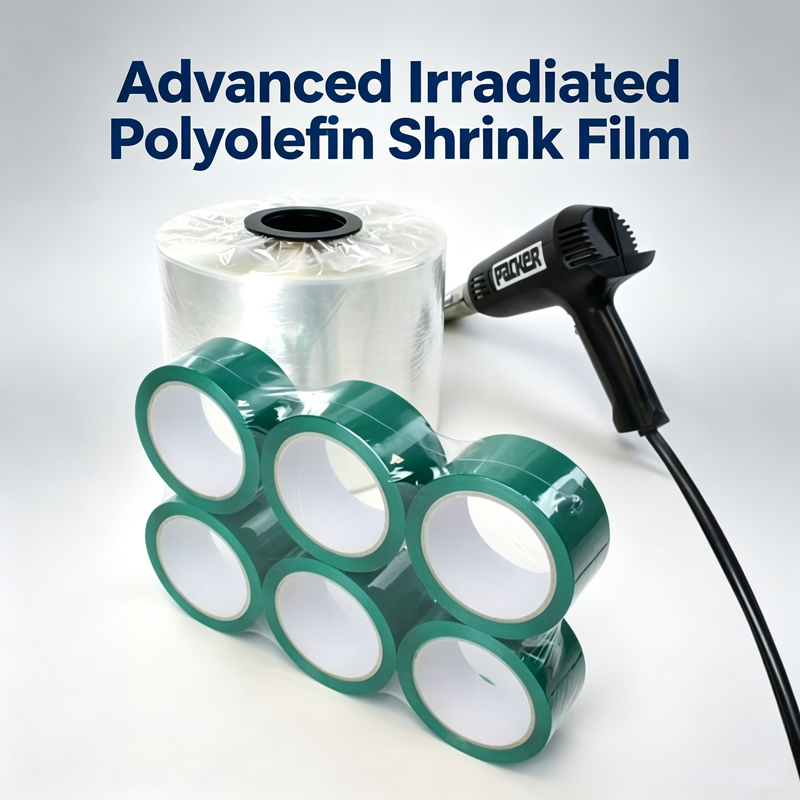
Manual shrink wrapping machines
Semi-automatic shrink packaging machines
Automatic shrink wrapping lines
For high-speed automatic packaging, film feeding stability, sealing performance, coefficient of friction, roll quality, and shrink consistency are particularly important.
Choosing the correct film specification for the machine can help reduce film breaks, sealing problems, and packaging defects.
5. Good Clarity and Attractive Appearance
POF shrink film is widely used because of its excellent transparency and gloss.
Low-temperature POF shrink film can provide a clear, tight package that allows consumers to see the product while providing a professional appearance.
This is especially important for retail packaging where product visibility and shelf presentation are important.
6. Suitable for Food Packaging
Polyolefin shrink film is widely used for food and consumer product packaging because it is chlorine-free and can be manufactured for food-contact applications.
For food packaging, however, buyers should always confirm that the specific film grade complies with the food-contact regulations required in their target market.
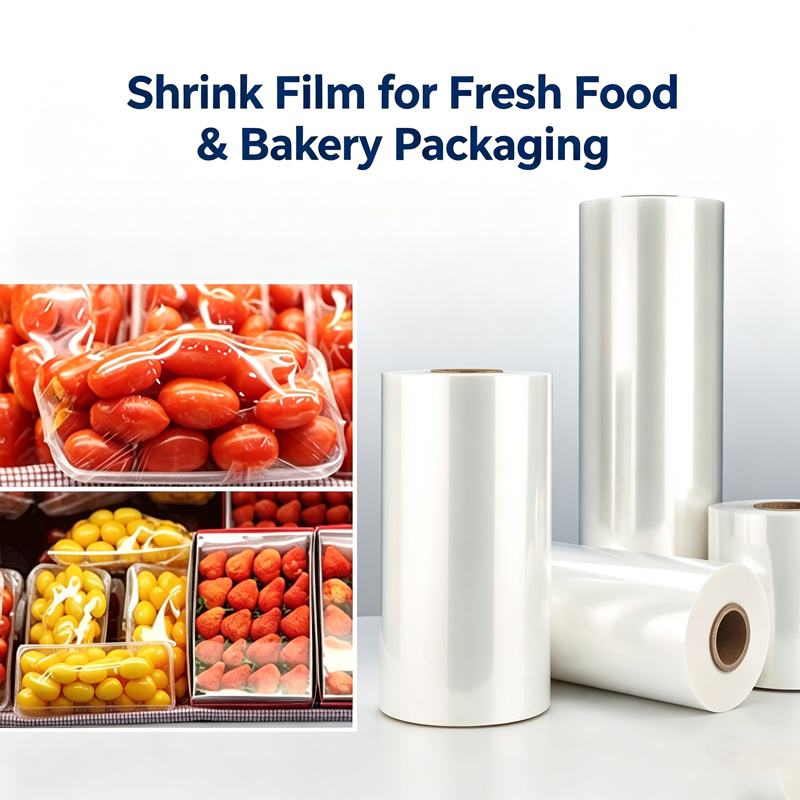
Depending on the application, POF shrink film can be used for products such as confectionery, bakery products, food trays, beverages, and other packaged consumer goods.
Low-Temperature POF vs. Standard POF Shrink Film
The main difference between low-temperature POF shrink film and standard POF shrink film is the processing window and heat exposure required to achieve effective shrinkage.
| Feature | Low-Temperature POF | Standard POF |
|---|---|---|
| Shrink activation | Lower-temperature processing | Conventional processing |
| Heat exposure | Reduced for suitable applications | Higher depending on application |
| Heat-sensitive products | Excellent choice | May require careful temperature control |
| Packaging speed | Potentially improved | Depends on machine and film |
| Clarity | Excellent | Excellent |
| Applications | Heat-sensitive and general products | General shrink packaging |
| Machine compatibility | Manual to automatic | Manual to automatic |
The best choice depends on the product, machine, film thickness, required shrink appearance, and production conditions.
How to Choose Low-Temperature POF Shrink Film
When selecting low-temperature POF shrink film, consider the following factors:
1. Product Sensitivity to Heat
If the product can soften, melt, deform, discolor, or otherwise change when exposed to heat, a low-temperature film may be a better option.
2. Film Thickness
Film thickness affects shrink performance, mechanical strength, sealing behavior, and material consumption. Common POF shrink film thicknesses vary depending on the application.
3. Packaging Machine
Different machines require different film characteristics. Make sure the selected film is suitable for your L-bar, side-seal, or other shrink packaging equipment.
4. Required Shrink Appearance
For retail packaging, good shrink uniformity, clarity, gloss, and tightness are important. Film selection should be based on the desired final package appearance.
5. Production Speed
For high-volume production, the film should be evaluated together with the shrink tunnel, conveyor speed, sealing system, and product dimensions.
Conclusion
Low-temperature POF shrink film is a useful packaging solution for applications where excessive heat exposure needs to be minimized. Its potential benefits include better protection for heat-sensitive products, efficient shrink performance, attractive package appearance, and compatibility with different packaging systems.
For the best results, film thickness, shrink temperature, sealing conditions, tunnel settings, and machine speed should be optimized according to the specific application.
If you are looking for a POF shrink film supplier for heat-sensitive products or automatic shrink packaging, contact Gxscpack to discuss your product requirements and film specifications.