


1. Introduction
When choosing shrink packaging materials, two of the most commonly used options in the market are POF Shrink Film (Polyolefin Shrink Film) and PVC Shrink Film (Polyvinyl Chloride Shrink Film).
Both materials are widely used in packaging industries such as food, cosmetics, printing, stationery, and retail products. However, they have significant differences in terms of safety, performance, environmental impact, and cost.
This article provides a clear comparison between POF shrink film vs PVC shrink film, helping you choose the right material for your packaging needs.
2. What is POF Shrink Film?
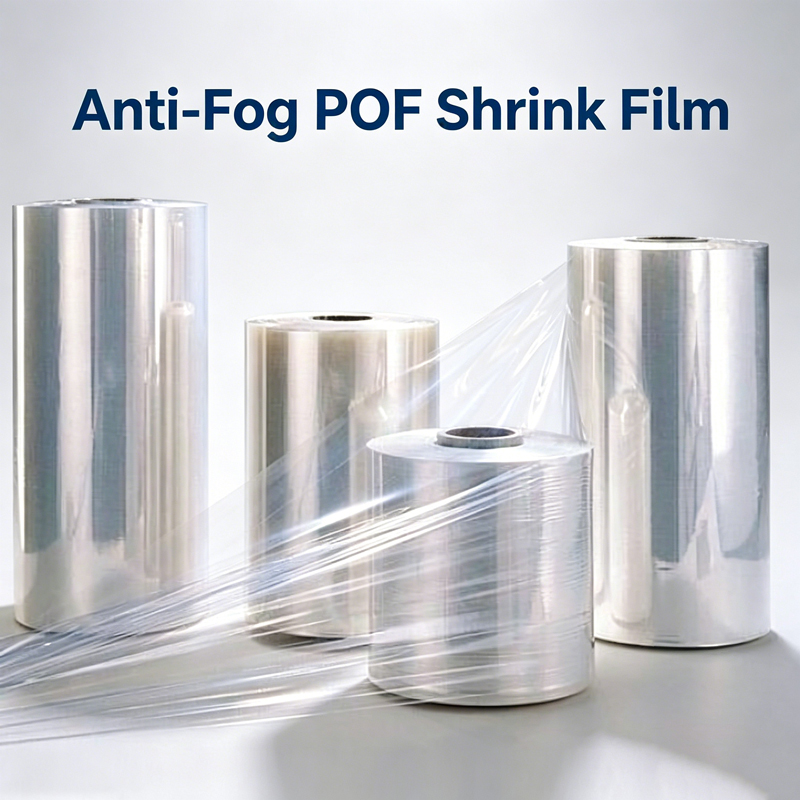
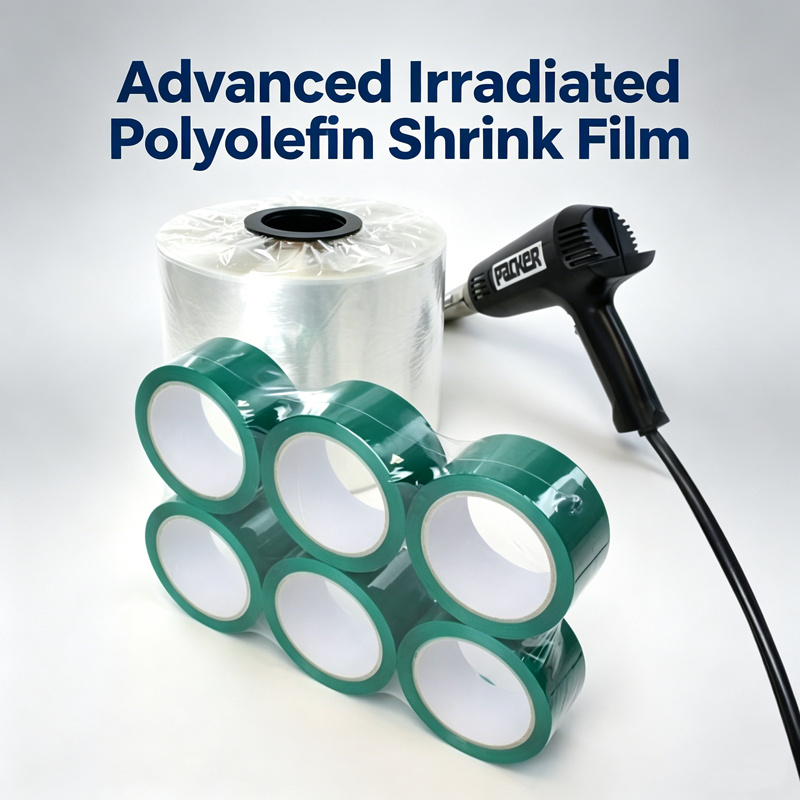
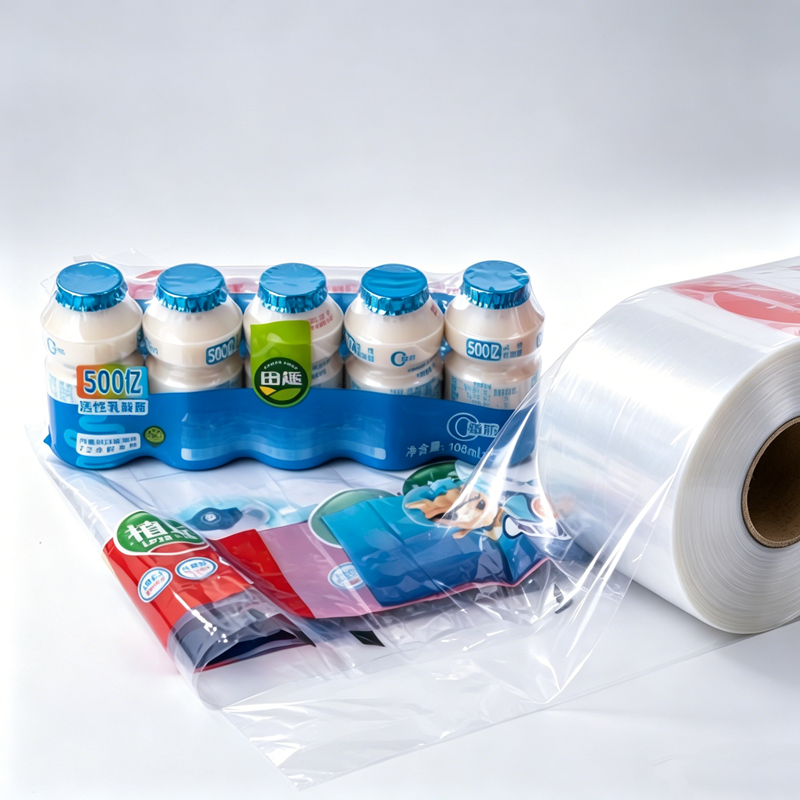
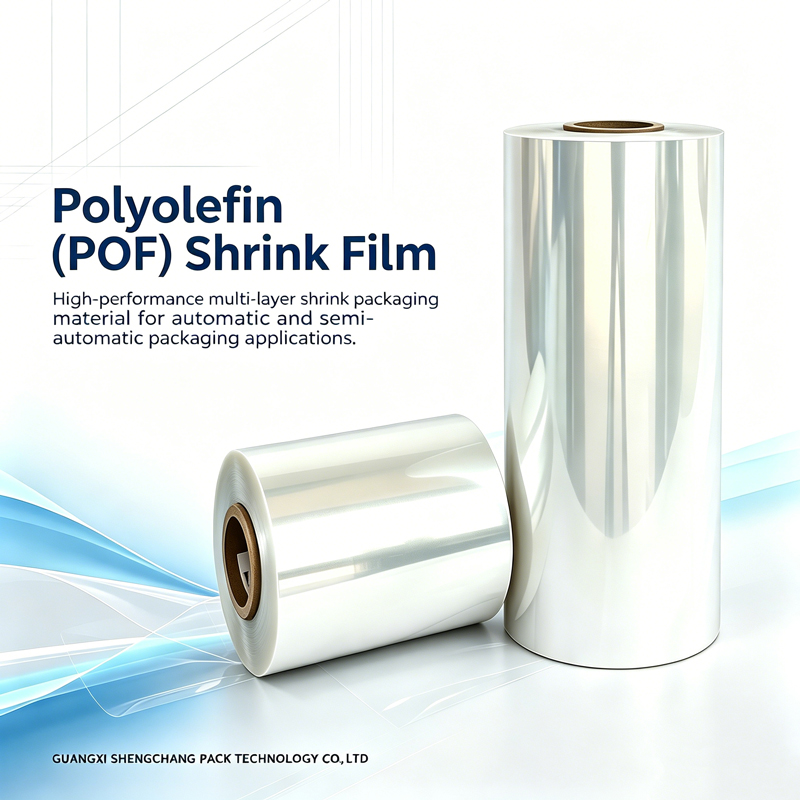
POF Shrink Film (Polyolefin Shrink Film) is a multi-layer, high-performance packaging material widely used for modern shrink wrapping applications.
Key features:
High clarity and glossy finish
Strong sealing strength
Excellent shrink performance
FDA compliant for food contact
Environmentally friendly and recyclable
Soft, flexible, and puncture-resistant
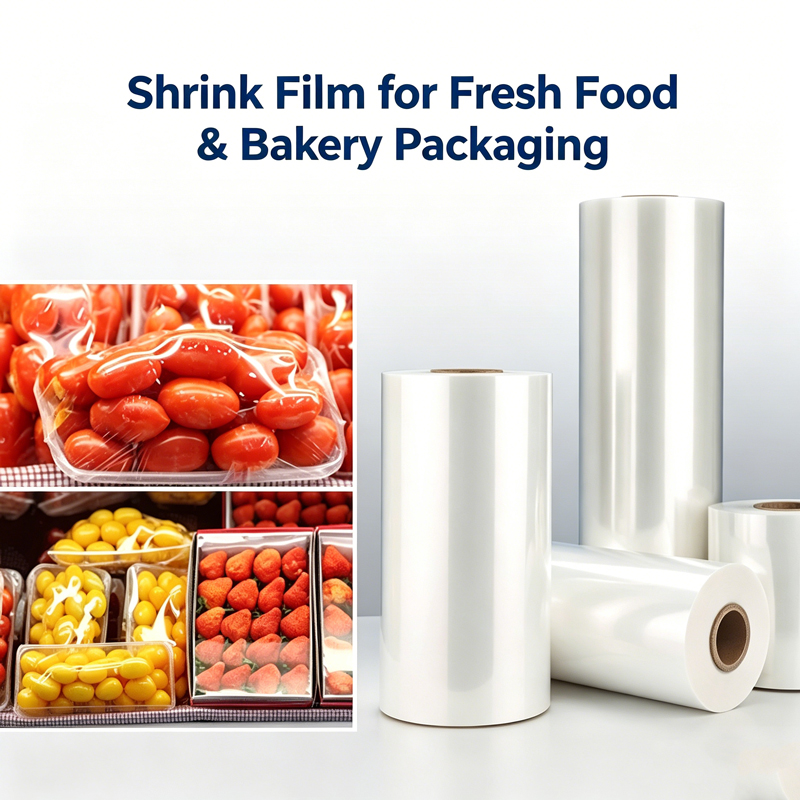
POF shrink film is commonly used for food packaging, cosmetics, books, toys, and industrial products.
3. What is PVC Shrink Film?
PVC Shrink Film (Polyvinyl Chloride Shrink Film) is an older type of shrink film that has been widely used for many years in packaging applications.
Key features:
Good transparency
Low initial cost
Easy to shrink at low temperature
Common in retail packaging
However, PVC film has limitations in terms of environmental impact and safety.
4. POF Shrink Film vs PVC Shrink Film: Key Differences
4.1 Safety & Environmental Impact
POF Shrink Film: Non-toxic, chlorine-free, FDA approved, environmentally friendly
PVC Shrink Film: Contains chlorine, produces harmful gases during burning, less eco-friendly
Winner: POF Shrink Film
4.2 Clarity & Appearance
POF: Higher gloss, better product presentation
PVC: Slightly duller appearance over time
Winner: POF Shrink Film
4.3 Shrink Performance
POF: Uniform shrink, strong sealing, less brittle
PVC: Shrinks well but can become brittle in cold conditions
Winner: POF Shrink Film
4.4 Strength & Durability
POF: High puncture resistance, suitable for heavy or sharp-edged products
PVC: More prone to tearing under stress
👉 Winner: POF Shrink Film
4.5 Cost Comparison
POF: Slightly higher material cost, but better overall efficiency
PVC: Lower initial cost, but may increase handling and waste costs
👉 Winner: Depends on application
4.6 Machine Compatibility
POF: Compatible with most modern shrink machines (L-bar, side seal, flow pack systems)
PVC: Works on older machines but less stable in high-speed production
Winner: POF Shrink Film
5. Applications Comparison
POF Shrink Film Applications:
Food packaging
Beverage multipacks
Cosmetics & personal care
Books, stationery, and printing products
E-commerce packaging
PVC Shrink Film Applications:
CD/DVD packaging (traditional use)
Retail packaging
Low-cost promotional packaging
6. Advantages of POF Shrink Film Over PVC
POF shrink film is becoming the global standard because it offers:
Better safety for food contact applications
Improved packaging appearance
Higher durability and puncture resistance
More eco-friendly solution
Better compatibility with modern packaging machines
For most modern packaging needs, POF shrink film is the preferred choice.
7. Which One Should You Choose?
Choose POF Shrink Film if:
You need food-grade packaging
You require high clarity and premium appearance
You use modern shrink packaging machines
You care about environmental compliance
Choose PVC Shrink Film if:
You only need very low-cost packaging
You use older packaging systems
Environmental regulations are not strict in your market
8. Conclusion
While both materials are still used in the packaging industry, POF Shrink Film is gradually replacing PVC Shrink Film due to its superior performance, safety, and environmental advantages.
For most international buyers, especially in food, cosmetics, and retail packaging industries, POF is the more advanced and reliable solution.
FAQ
Q1: Is POF shrink film better than PVC shrink film?
Yes. POF offers better clarity, strength, safety, and environmental performance.
Q2: Is PVC shrink film safe for food packaging?
It is less recommended due to chlorine content and regulatory concerns.
Q3: Why is POF shrink film more expensive?
Because it has better material structure, safety compliance, and performance advantages.
Q4: Can POF shrink film replace PVC shrink film completely?
In most modern applications, yes—especially in food and export packaging.