


How to Use Shrink Wrap Film: A Practical Guide for Beginners
Shrink wrap film is widely used in product packaging because it helps protect goods, improve their appearance, and keep items securely packaged during storage and transportation. From retail products to industrial supplies, shrink film offers a practical solution for businesses looking for reliable and cost-effective packaging.
For beginners, choosing the right film and understanding the correct wrapping process are essential for achieving a neat finish and consistent packaging quality. This guide covers the fundamentals of shrink wrap film, its key advantages, and practical techniques for getting better results.
What Is Shrink Wrap Film?
Shrink wrap film is a type of plastic packaging material designed to contract when exposed to heat. After the film is wrapped around a product and heated under suitable conditions, it shrinks to fit the product's shape, creating a close-fitting protective layer.
Common shrink film materials include PVC, polyolefin (POF), and polyethylene (PE). Each type has different characteristics and is suitable for particular packaging requirements. The appropriate choice depends on factors such as product size, packaging equipment, required protection, and the desired appearance.
Key Benefits of Shrink Wrap Film
Shrink film offers several practical benefits for businesses across different industries.
1. Protection During Storage and Transportation
Shrink wrap helps keep products covered and reduces exposure to dust, dirt, and routine handling. Depending on the film type and packaging design, it can also provide a degree of protection against external moisture and surface damage.
2. Improved Product Appearance
Clear shrink film allows customers to see the packaged product while providing a smooth, tidy finish. This makes it a popular choice for retail packaging, multipacks, and products displayed on store shelves.
3. Convenient Product Bundling
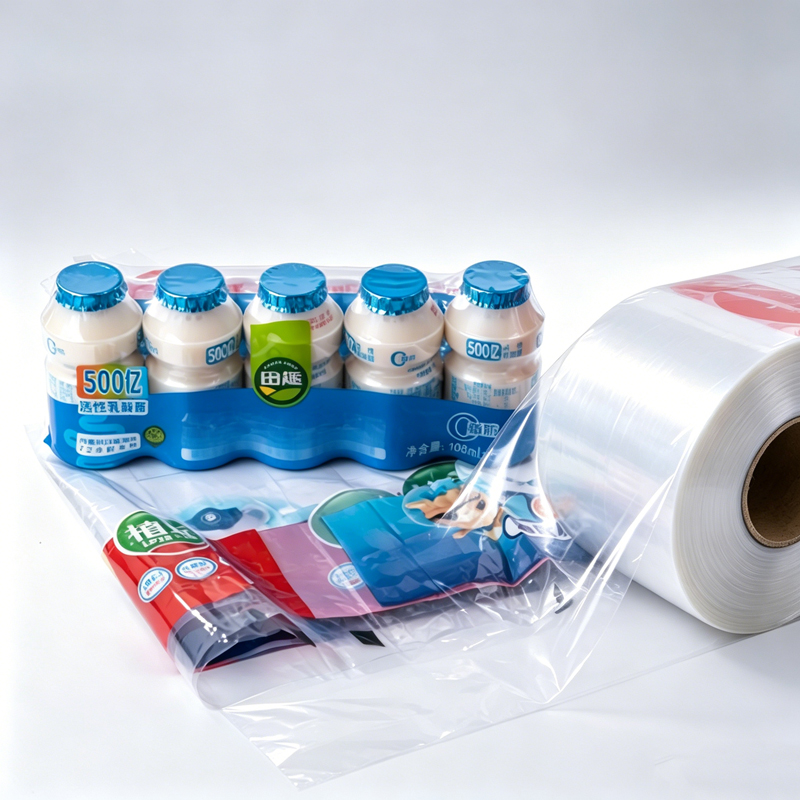
Multiple items can be wrapped together to create a single package. This is useful for promotional sets, retail multipacks, and products that need to remain grouped during distribution.
4. Visible Package Integrity
A sealed shrink film package can make unauthorized opening more noticeable. It helps maintain package integrity, although it should not be considered a substitute for specialized tamper-evident security packaging.
5. Cost-Effective Packaging
Shrink film is available in a range of thicknesses and formats to suit different packaging needs. When the right film is matched with suitable equipment and operating settings, businesses can reduce unnecessary material use and improve packaging efficiency.
7 Practical Tips for Using Shrink Wrap Film
Using shrink film correctly involves more than simply covering a product and applying heat. The following tips can help beginners achieve better packaging results.
1. Select the Appropriate Film Type and Thickness
Different shrink films are designed for different applications.
PVC Shrink Film: Commonly used for certain retail and general-purpose packaging applications.
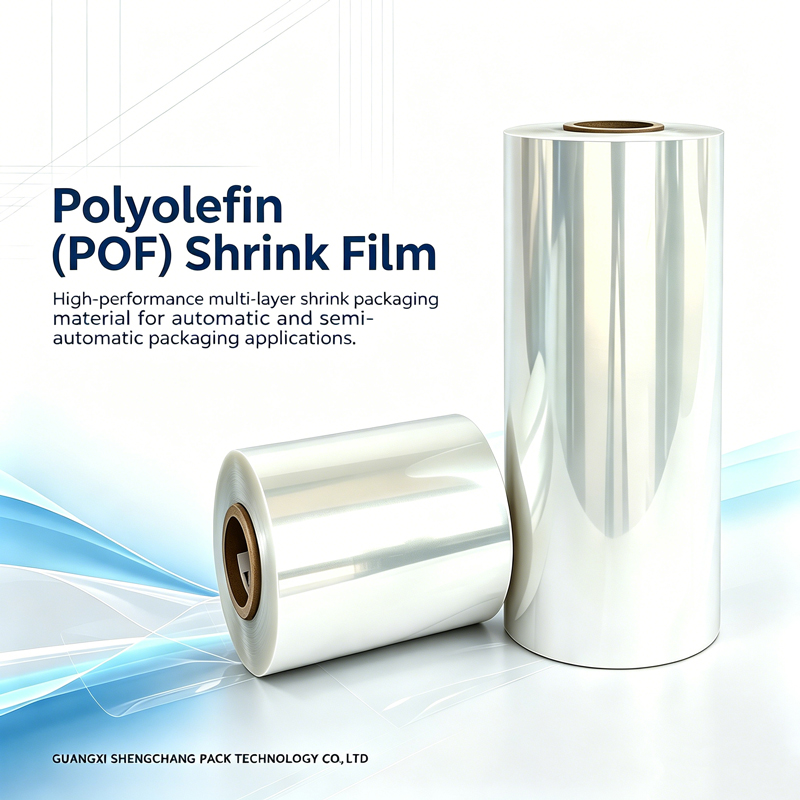
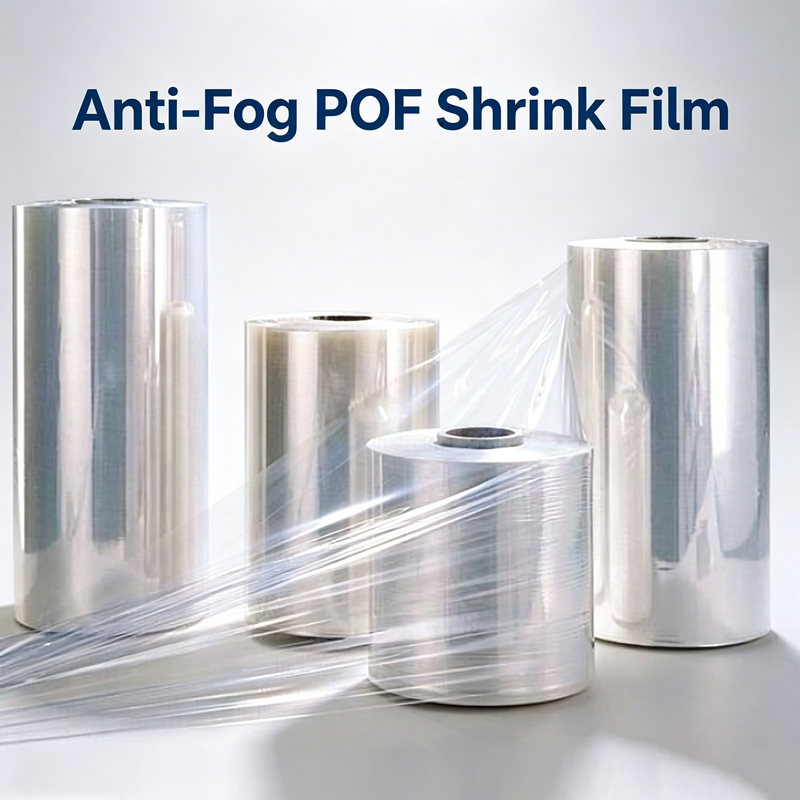
Polyolefin (POF) Shrink Film: Known for its clarity, flexibility, and reliable sealing performance. It is widely used for consumer goods, food packaging, and retail multipacks.
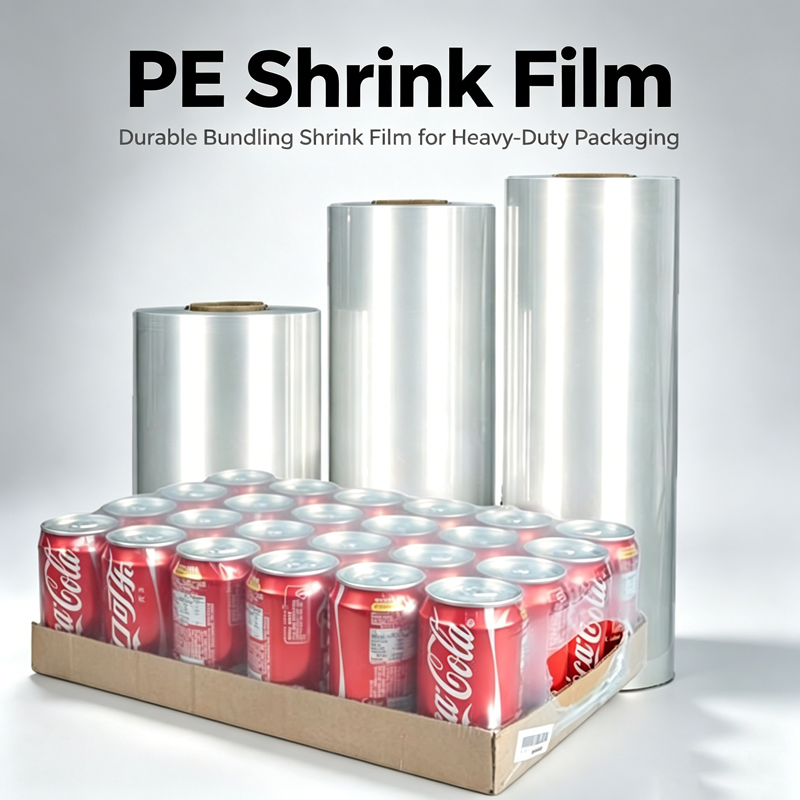
Polyethylene (PE) Shrink Film: Often selected for heavier products, industrial packaging, and bundled goods that require a tougher film.
Film thickness should be selected according to the product's weight, shape, required protection, and packaging method. A thinner film may be sufficient for lightweight products, while heavier or more demanding applications may require a thicker or stronger material.
Practical tip: Test the film with your actual product and packaging equipment before making a final selection.
2. Measure the Film Before Cutting
Correct film sizing helps ensure that the product is fully covered without using excessive material. Film that is too small may leave parts of the product exposed, while unnecessary excess can create bulky seams and uneven folds.
Consider the following points:
Measure the product carefully before selecting the film width and length.
Leave sufficient material for sealing and forming the package.
Use a suitable cutting tool to create clean, consistent edges.
Prepare pre-cut sheets when packaging small products manually.
Accurate sizing helps reduce waste and makes the wrapping process more consistent.
3. Apply Heat Evenly and Correctly
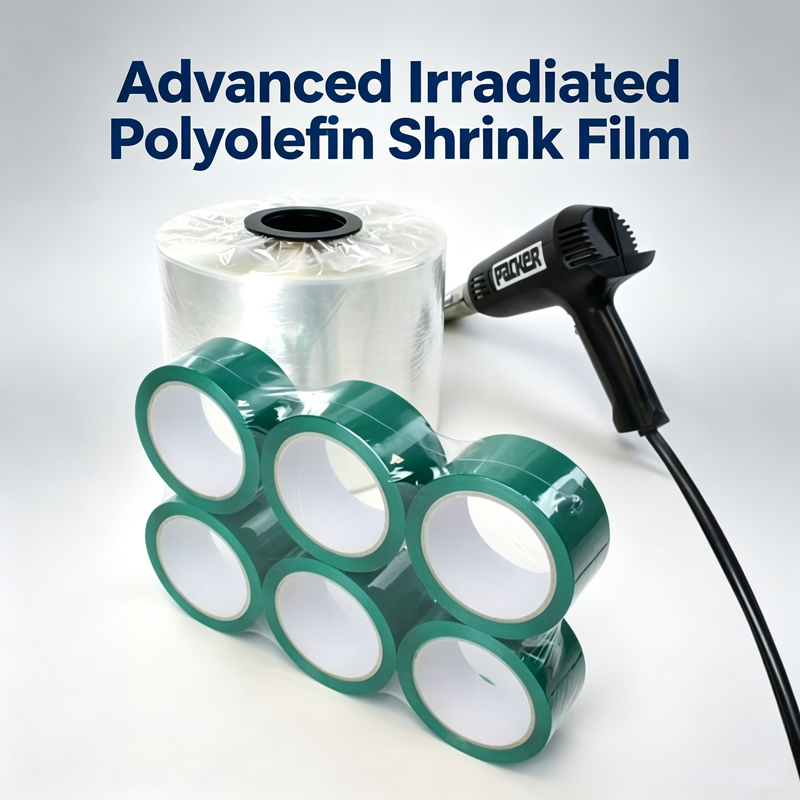
Heat is essential for activating the shrink properties of the film. Depending on the packaging setup, this can be done with a heat gun, a shrink tunnel, or a dedicated shrink packaging machine.
For better results:
Maintain an appropriate distance between the heat source and the film.
Distribute heat evenly to avoid loose areas and excessive wrinkles.
Adjust temperature and conveyor speed according to the film specifications.
Avoid overheating, which may cause film distortion, burn marks, or weakened seals.
When using a machine, follow the equipment manufacturer's instructions and the recommended processing conditions for the selected film.
4. Make Sure the Product Is Ready for Packaging
The condition of the product can affect the final packaging appearance and performance. Dust, oil, and surface contaminants may interfere with clean presentation or sealing, while sharp edges can damage the film during handling or shrinking.
Before wrapping:
Check that the product surface is clean.
Ensure the product is dry when the application requires dry packaging.
Inspect corners and edges for potential puncture points.
Arrange multiple items in a stable position before sealing.
Proper preparation can reduce packaging defects and help produce a more professional finish.
5. Position and Seal the Film Carefully
Correct film placement helps the material shrink evenly around the product. Poor positioning, excessive overlap, or inconsistent sealing may lead to wrinkles, loose corners, and weak package seams.
To improve the result:
Position the product centrally within the film whenever possible.
Keep the film aligned and avoid unnecessary folds.
Ensure the sealing area is clean and properly formed.
For irregularly shaped products, select a suitable film format and wrapping method.
For machine packaging, correct seal temperature, sealing time, and film tension are important factors in achieving consistent results.
6. Conduct Small-Scale Tests Before Full Production
Different products and packaging systems may require different film sizes and processing conditions. Testing before mass production helps identify potential problems and establish suitable operating settings.
During testing, evaluate:
Film fit and coverage.
Seal strength and seal consistency.
Shrink appearance and wrinkle formation.
Resistance to punctures during normal handling.
Overall package quality after cooling.
Make adjustments one at a time so you can identify which changes improve the result. Once the appropriate combination of film and machine settings has been established, record the parameters for future production.
7. Follow Appropriate Safety Procedures
Shrink wrapping involves heat, cutting tools, and operating machinery, so appropriate safety precautions are essential.
Keep these practices in mind:
Follow the safety instructions for heat guns, shrink tunnels, and packaging machines.
Wear suitable protective equipment when required.
Keep combustible materials away from hot equipment.
Maintain adequate ventilation and follow the film manufacturer's safety guidance.
Keep hands clear of moving machine parts and hot sealing components.
Proper training and routine equipment checks help create a safer and more reliable packaging process.
Common Applications of Shrink Wrap Film
Shrink film is used in many packaging environments because it can accommodate different product sizes and packaging formats.
Retail Packaging
Shrink film is commonly used for cosmetics, stationery, toys, household products, and multipacks. Its transparency helps maintain product visibility while creating a neat outer package.
Food Packaging
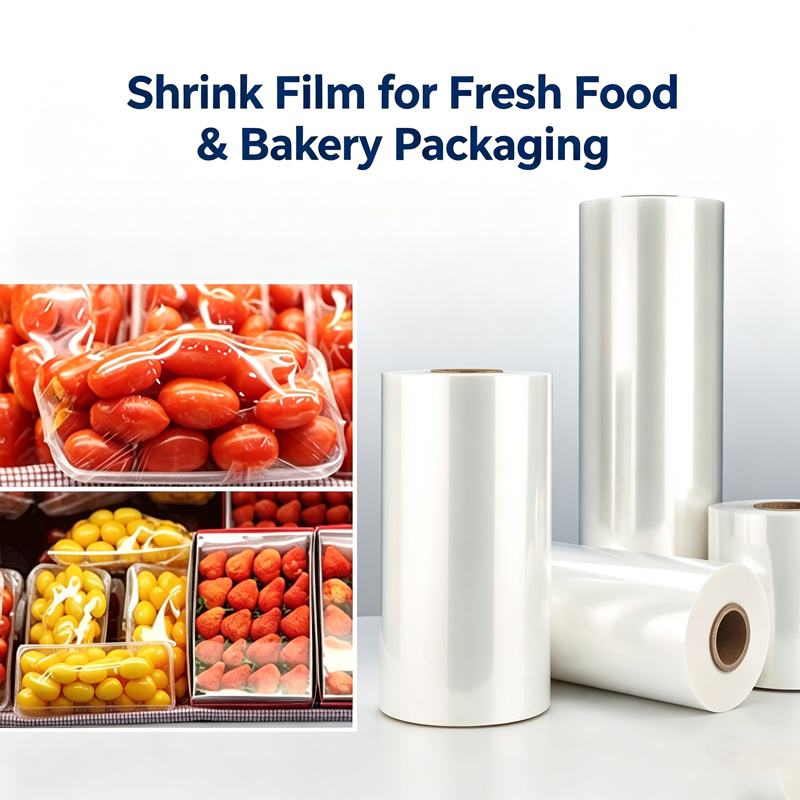
Suitable shrink films are used to package selected food products, including bakery goods, pizza, and fresh produce. For products that require clear visibility during refrigerated storage, anti-fog POF shrink film can help reduce condensation-related cloudiness when used under appropriate conditions. Food-contact suitability should always be confirmed for the intended application.
Manufacturing and Industrial Packaging
Manufacturers use shrink film to group components, cover selected products, and prepare goods for storage or shipment. Film selection should reflect the product's weight, shape, and handling requirements.
Logistics and Product Bundling
Shrink film can keep multiple items together during distribution and simplify the handling of packaged goods. Heavier loads and pallet applications may require PE shrink film or other packaging solutions specifically designed for load stability.
Promotional and Gift Packaging
Retail gift sets, promotional products, and product combinations can be wrapped together to create a clean, unified presentation for display or distribution.
Choosing the appropriate shrink film for each application helps balance product protection, appearance, and packaging efficiency.
Conclusion
Shrink wrap film is a versatile packaging material that helps businesses protect products, improve presentation, and simplify product bundling. Achieving good results depends on selecting the right film, measuring it accurately, applying heat under suitable conditions, and checking the quality of the finished package.