


Shrink Wrap vs. Stretch Wrap: Which Is Better for Your Packaging Needs?
Shrink wrap and stretch wrap are two widely used plastic packaging materials, but they work in different ways. Shrink wrap uses heat to contract tightly around a product, while stretch wrap relies on elastic tension to hold products together.
Both solutions help protect goods during storage, handling, and transportation. However, their materials, application methods, and performance characteristics make them suitable for different packaging requirements.
In this guide, we explain the differences between shrink wrap and stretch wrap, compare their common applications, and help you choose the right packaging film for your business.
What Is Shrink Wrap?
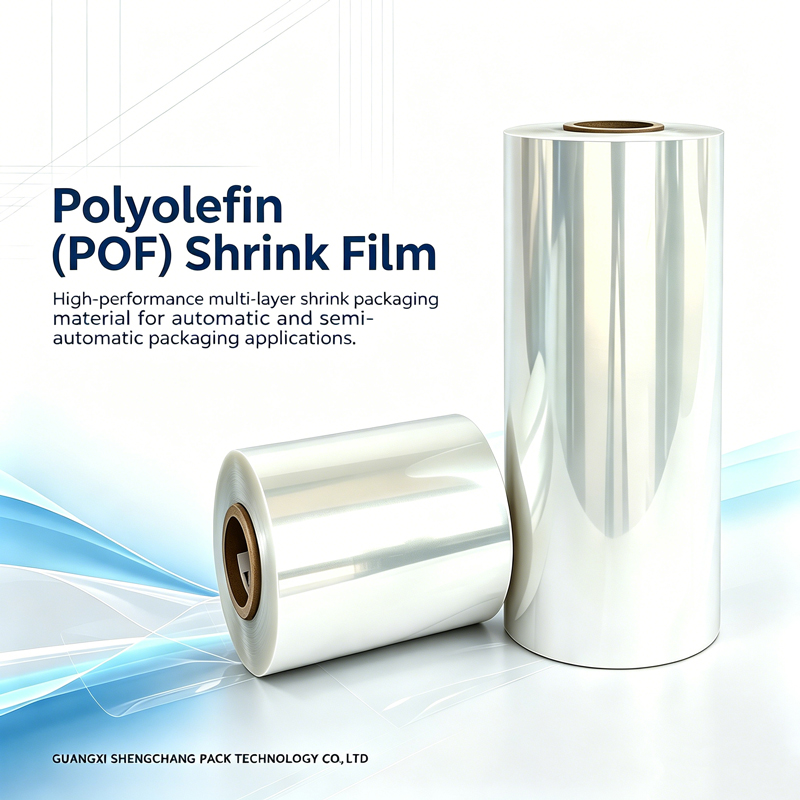
Shrink wrap is a plastic film that contracts when exposed to an appropriate level of heat, forming a close-fitting layer around a product or group of products. Depending on the application, shrink films can be made from polyolefin (POF), polyethylene (PE), or PVC.
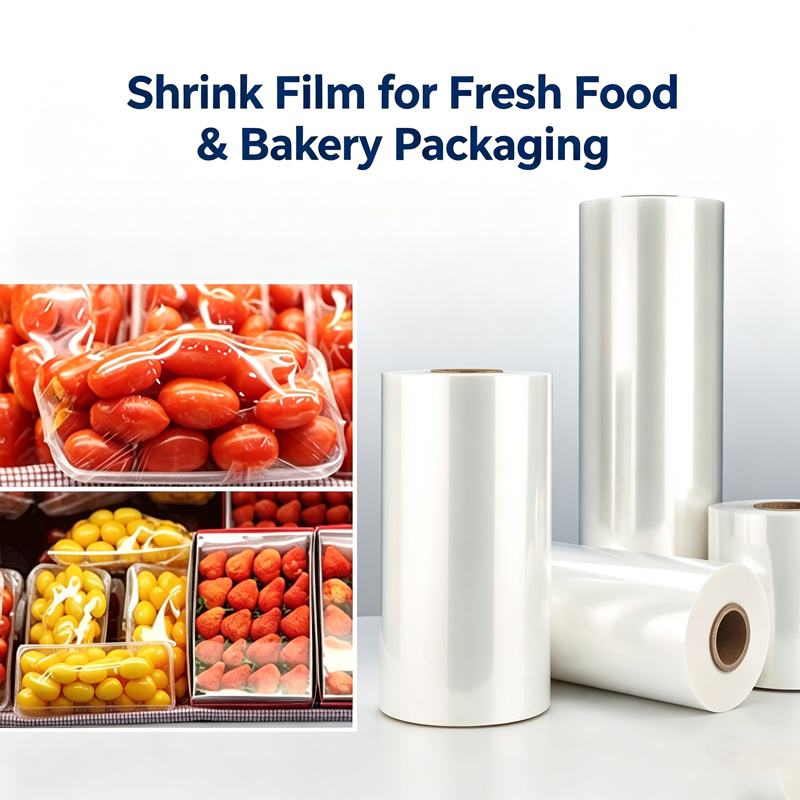
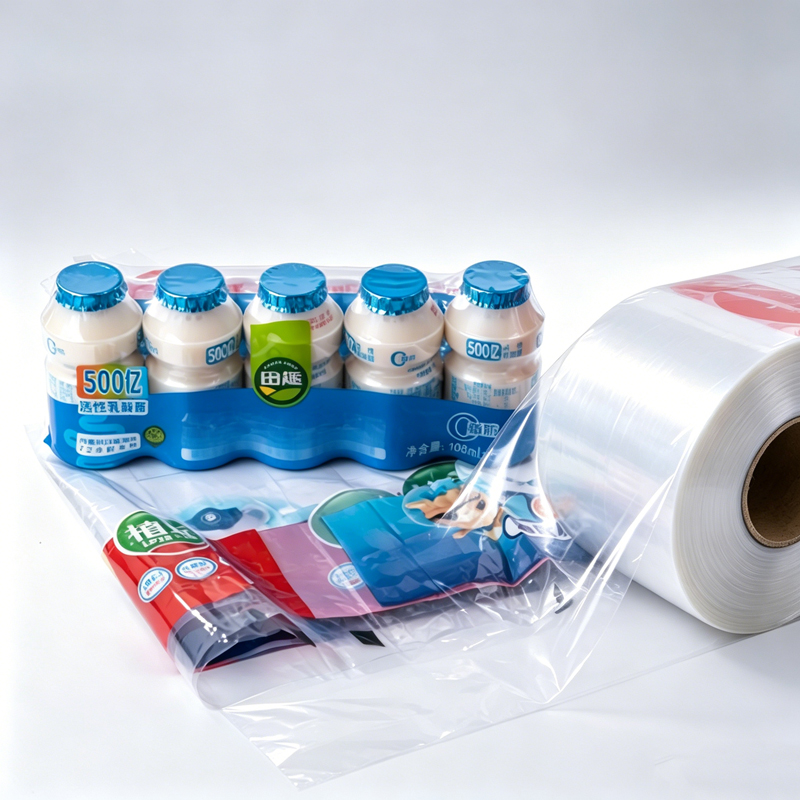
POF shrink film is widely used for retail packaging, food packaging, consumer goods, printed products, and multipacks. It offers excellent clarity, a smooth finish, and reliable sealing performance.
Different types of shrink film are available to meet specific packaging requirements:
Standard POF Shrink Film: Suitable for general-purpose packaging where clarity, appearance, and reliable sealing are important.
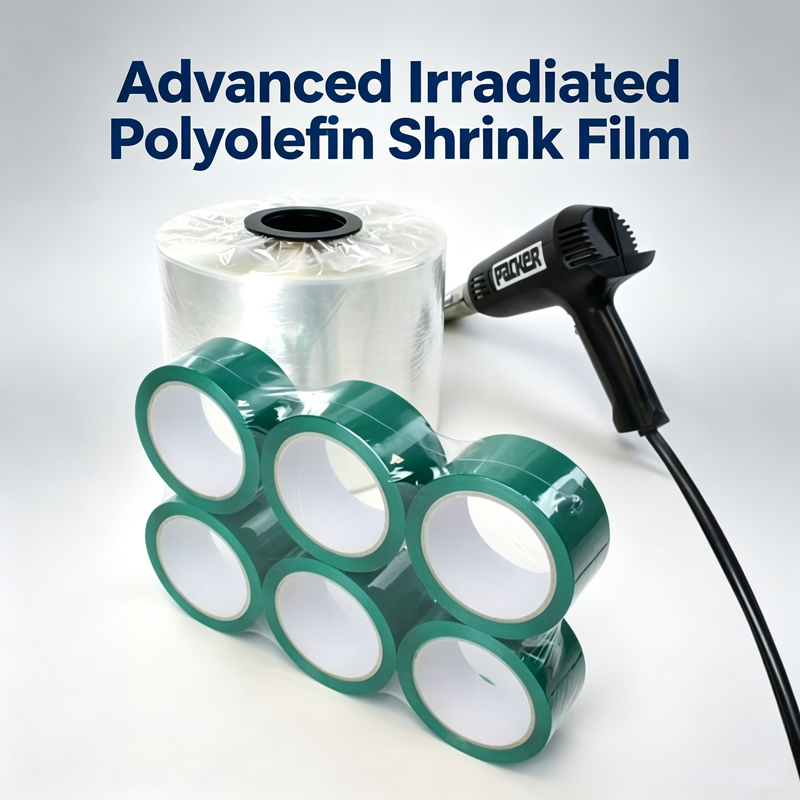
Cross-Linked POF Shrink Film: Offers enhanced film strength, puncture resistance, and shrink performance for demanding packaging applications.
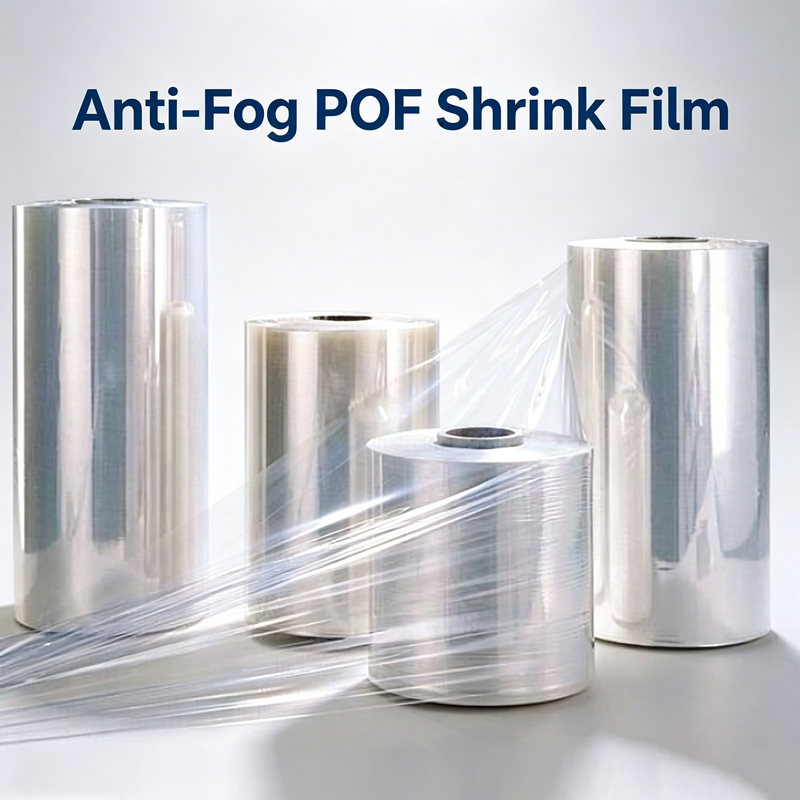
Anti-Fog POF Shrink Film: Helps reduce fogging and maintain product visibility when packaging fresh foods, vegetables, and products such as pizza.
Hot Perforated POF Shrink Film: Contains small perforations that allow air to escape during shrinking, helping reduce trapped air and improve packaging results for suitable products.
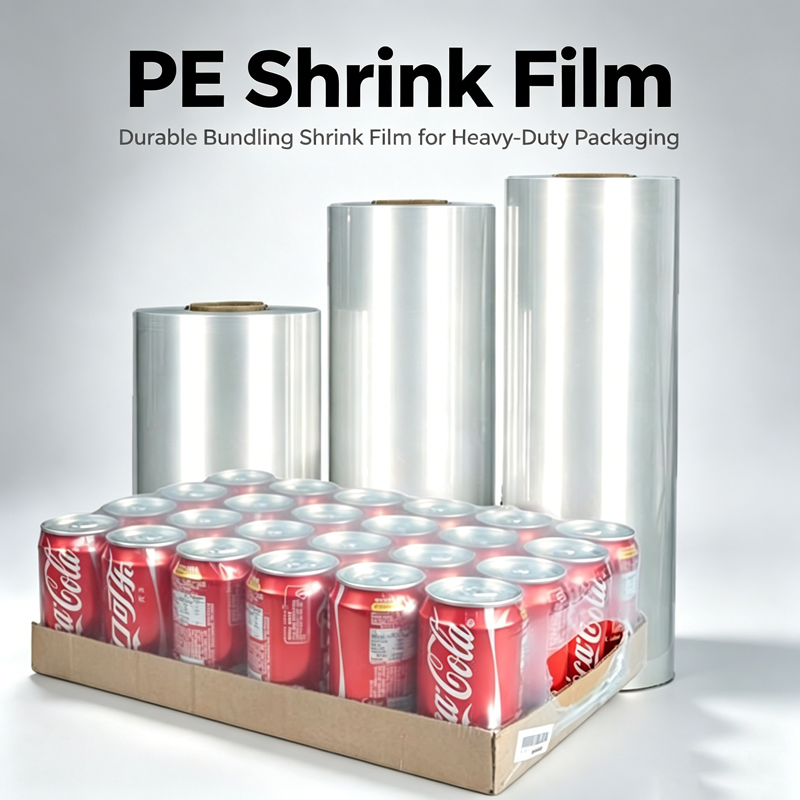
PE Shrink Film: Commonly used for bundling products, multipacks, and selected heavier-duty packaging applications.
Shrink film is typically applied using a heat shrink tunnel or suitable heat gun, depending on the product, film type, and production process.
What Is Stretch Wrap?
Stretch wrap, also known as stretch film, is a flexible plastic film that is stretched around products or pallet loads to hold them securely together. Unlike shrink wrap, it does not require heat to achieve its primary securing function.
Most stretch wrap is made from linear low-density polyethylene (LLDPE) or related polyethylene formulations. It is commonly used in warehouses, distribution centers, and manufacturing facilities to stabilize palletized goods during storage and transportation.
Stretch wrap can be applied manually with a hand dispenser or automatically using a pallet wrapping machine.
Common applications include:
Securing cartons and boxes on pallets.
Stabilizing goods during transportation.
Protecting products from dust and surface contamination.
Bundling multiple items for easier handling.
Using ventilated stretch film when airflow is required for specific products.
Stretch wrap is particularly useful when load stability and fast pallet wrapping are the main priorities.
Shrink Wrap vs. Stretch Wrap: Key Differences
Although both films are used in packaging, they differ in their working principles, typical applications, and performance.
| Feature | Shrink Wrap | Stretch Wrap |
|---|---|---|
| Working principle | Contracts when heated | Stretches under tension |
| Application | Requires suitable heat for shrinking | Applied by stretching around the load |
| Common materials | POF, PE, PVC | Primarily polyethylene |
| Main purpose | Enclosing and conforming to products | Securing and stabilizing loads |
| Product visibility | Often excellent, especially with clear POF film | Depends on film clarity and application |
| Sealing | Can form sealed packages with suitable sealing equipment | Usually relies on tension and cling |
| Typical applications | Retail packs, food packaging, multipacks | Pallet loads, cartons, warehouse logistics |
| Equipment | Shrink packaging machine and heat tunnel, depending on the application | Hand dispenser or pallet wrapping machine |
The most important difference is that shrink wrap forms a close-fitting package through heat, while stretch wrap secures goods through tension and film cling.
Neither option is universally better. The right choice depends on the product, packaging process, and level of protection required.
Cast Stretch Film vs. Blown Stretch Film
Stretch film is commonly manufactured using either cast extrusion or blown extrusion.
Cast stretch film is produced by extruding molten polymer through a flat die and cooling it on chill rolls. It generally offers good clarity, consistent thickness, and relatively quiet unwinding, making it suitable for many hand and machine wrapping applications.
Blown stretch film is manufactured through a blown-film extrusion process. Depending on the formulation and production conditions, it can offer good tear resistance and toughness, making it useful for demanding pallet loads.
These are two manufacturing methods for stretch film. They should not be confused with shrink film, which is designed to contract when heated.
POF vs. PE vs. PVC Shrink Film
Choosing the right shrink film is just as important as deciding between shrink wrap and stretch wrap. Different materials offer different combinations of clarity, strength, sealing performance, and application suitability.
Polyolefin (POF) Shrink Film
POF shrink film is a popular choice for retail and consumer product packaging because of its excellent clarity, glossy appearance, and versatile performance.
Standard POF film is suitable for many everyday packaging applications. For products requiring greater durability, cross-linked POF shrink film offers enhanced strength and puncture resistance.
Anti-fog POF film is useful for selected fresh-food applications, while hot-perforated POF film can help release trapped air during shrinking.
POF shrink film is commonly used for food-contact packaging where the specific film grade complies with applicable food-contact requirements.
Polyethylene (PE) Shrink Film
PE shrink film is widely used for multipacks, bundled products, and applications requiring a tougher or thicker film structure. It is commonly selected for beverage multipacks, industrial products, and other suitable grouped packaging applications.
The appropriate grade and thickness depend on the product weight, packaging configuration, and required mechanical performance.
PVC Shrink Film
PVC shrink film has historically been used for certain retail and specialty packaging applications. However, its environmental, handling, and application considerations differ from those of POF and PE films.
When choosing PVC, POF, or PE, businesses should evaluate the required packaging performance, local regulations, recycling infrastructure, and the specific film's compliance documentation.
When Should You Use Shrink Wrap or Stretch Wrap?
The best choice depends on what you need the film to accomplish.
Choose shrink wrap when:
You need a close-fitting package around individual products or multipacks.
Product appearance and clear visibility are important.
You require suitable sealed packaging for retail presentation.
You need a film tailored to specific applications, such as fresh-food packaging or products with sharp edges.
Your packaging line is equipped for heat shrinking.
Choose stretch wrap when:
You need to secure multiple cartons or products on a pallet.
Load stability during transportation is the main priority.
You want to wrap palletized goods without using heat.
Your warehouse uses manual or automatic pallet wrapping equipment.
For certain applications, both films can be used in the same supply chain. Stretch wrap can stabilize a pallet load, while suitable shrink film can package individual products or multipacks before palletization.
One important consideration: ordinary stretch wrap is not a direct substitute for a properly designed sealed shrink package. Similarly, shrink wrap should not automatically be treated as a replacement for stretch film in pallet stabilization.
How to Choose the Right Shrink Film for Your Application
If shrink wrap is the right solution, selecting the appropriate film grade can improve packaging consistency and reduce unnecessary material consumption.
Consider these factors before choosing a film:
1. Product type and shape
Small retail products, food items, multipacks, and heavier bundled products may require different film properties.
2. Required film strength
Standard POF film is suitable for many general applications. Cross-linked POF film is worth considering when improved puncture resistance, stronger sealing performance, and more demanding shrink requirements are important.
3. Product visibility
Clear POF film provides a clean presentation for retail products. For selected fresh-food applications, anti-fog POF film can help maintain visibility by reducing condensation-related fogging.
4. Air release during shrinking
Products that trap air inside the package may benefit from a suitable hot-perforated film, depending on the product and packaging process.
5. Packaging equipment
Film selection should match the machine type, sealing system, conveyor speed, and heat tunnel settings. Always validate the film on the actual packaging line before full-scale production.
6. Film thickness and packaging cost
The right thickness depends on the product's weight, shape, handling conditions, and protection requirements. A thicker film is not necessarily the best solution for every application; testing can help identify the most economical grade that meets performance requirements.
Website: https://www.gxscpack.com
Email: sales@gxscpack.com
WhatsApp: +86 18796253852