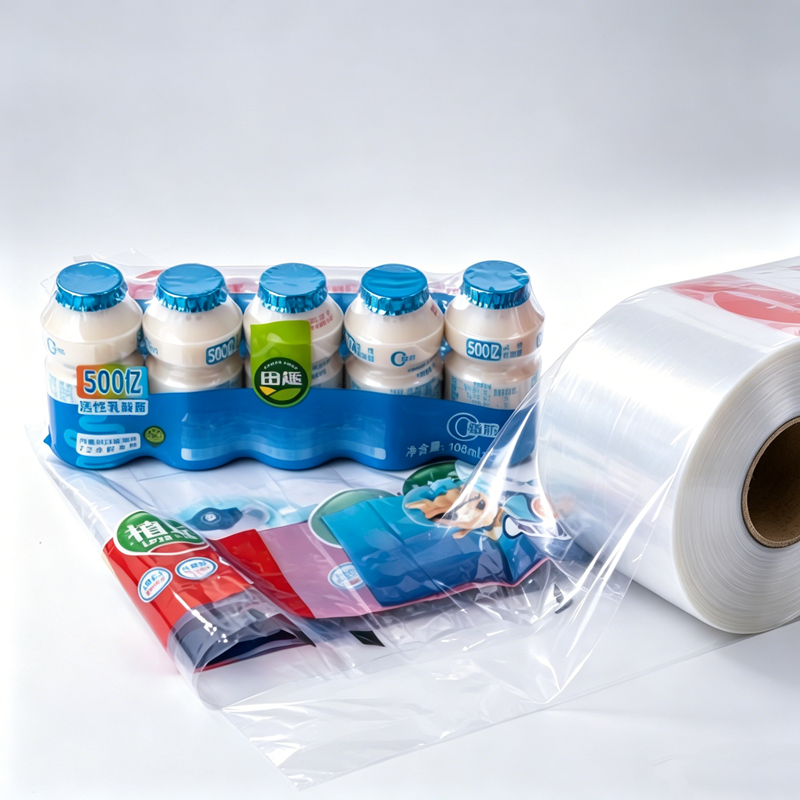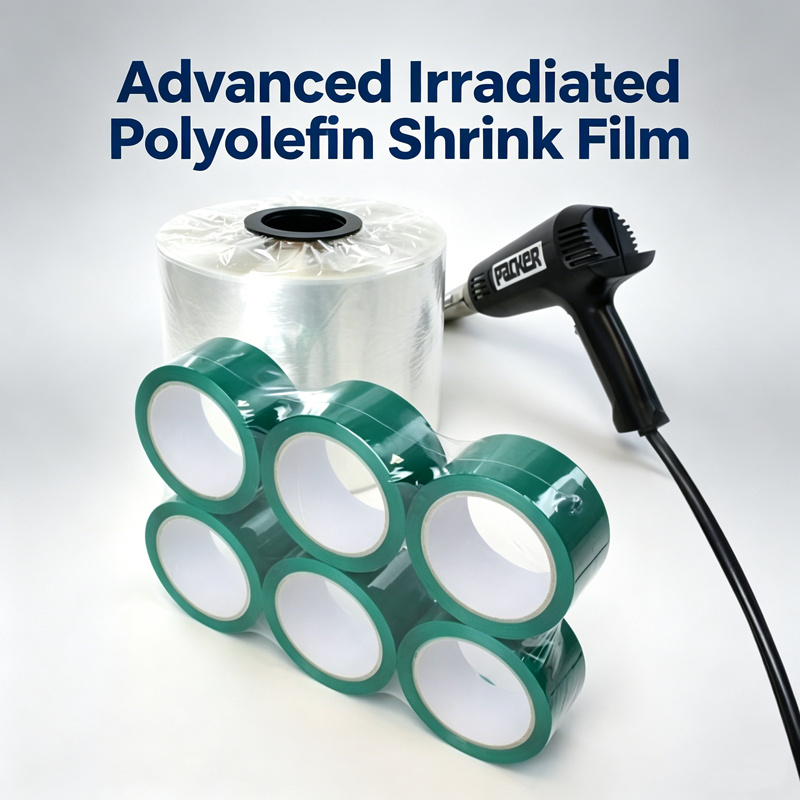



Proper storage is just as important as selecting the right POF Shrink Film. Even high-quality shrink film can lose its performance if it is exposed to excessive heat, moisture, or direct sunlight for long periods.
By following correct storage practices, manufacturers and distributors can maintain film clarity, shrink performance, sealing strength, and overall packaging quality.
This guide explains the recommended storage conditions, expected shelf life, and practical tips for keeping POF shrink film in excellent condition.
What Is the Shelf Life of POF Shrink Film?
Under recommended storage conditions, POF Shrink Film typically has a shelf life of approximately 12 months from the production date.
Many rolls remain usable beyond this period if they have been stored correctly. However, as storage time increases, it is good practice to test the film before large-scale production to confirm shrink performance and sealing quality.
Factors such as temperature, humidity, and exposure to sunlight have a greater impact on performance than time alone.
Why Proper Storage Matters
Correct storage helps maintain:
Excellent transparency
Stable shrink performance
Reliable seal strength
Smooth machine operation
Consistent packaging appearance
Improper storage may increase the need for machine adjustments and reduce packaging consistency.
Recommended Storage Conditions
For best results, store POF Shrink Film in a clean, dry, and well-ventilated warehouse.
Recommended conditions include:
| Storage Factor | Recommendation |
|---|---|
| Temperature | 15°C–30°C |
| Relative Humidity | 40%–70% RH |
| Sunlight | Avoid direct sunlight |
| Environment | Clean, dry, dust-free |
| Ventilation | Good air circulation |
Avoid placing film near heaters, steam pipes, or other heat sources.
Keep Shrink Film Away from Direct Sunlight
Direct sunlight can gradually increase the surface temperature of the film and may affect its long-term stability.
To reduce the risk of premature aging:
Store rolls indoors.
Keep them away from windows receiving strong sunlight.
Use protective wrapping until the film is ready for use.
Control Temperature and Humidity
Extreme storage conditions can affect packaging materials.
Avoid:
High warehouse temperatures
Excessive humidity
Condensation
Rapid temperature changes
Maintaining a stable environment helps preserve consistent film performance.
Store Rolls Correctly
Proper handling is equally important.
Recommended practices:
Store rolls on clean pallets.
Avoid direct contact with the floor.
Do not stack pallets beyond the recommended height.
Protect rolls from impact during handling.
Correct storage reduces the risk of roll deformation and edge damage.
Rotate Inventory Using FIFO
Use the First In, First Out (FIFO) principle whenever possible.
This helps:
Reduce long-term storage
Maintain consistent packaging quality
Improve inventory management
Mark production dates clearly so older stock is used first.
Should Film Be Tested After Long-Term Storage?
Yes.
If shrink film has been stored for an extended period, it is recommended to perform a simple production trial before full-scale packaging.
Check:
Shrink appearance
Seal strength
Film clarity
Machine compatibility
Testing helps confirm that the film still meets production requirements.
Common Storage Mistakes
Avoid these common mistakes:
❌ Leaving film outdoors
❌ Storing near heat sources
❌ Exposing film to direct sunlight
❌ Placing rolls directly on damp floors
❌ Ignoring inventory rotation
Good storage practices help maintain consistent packaging performance.
Storage Tips for International Buyers
For importers and distributors:
Inspect packaging upon arrival.
Store products immediately in a controlled warehouse.
Keep original packaging intact until use.
Record production dates for inventory management.
These practices are especially helpful when film is shipped internationally.
How Proper Storage Supports Packaging Performance
Correct storage helps ensure:
Stable shrink performance
Excellent transparency
Reliable sealing
Consistent machine operation
Reduced production waste
Storage is one of the simplest ways to protect the value of your packaging materials.
Conclusion
Proper storage is essential for maintaining the quality and performance of POF Shrink Film.
By storing film in a clean, dry environment, avoiding direct sunlight, controlling temperature and humidity, and following FIFO inventory practices, users can maximize shelf life and achieve consistent packaging results.
Even after long-term storage, a simple production trial can help verify that the film continues to perform as expected.
Frequently Asked Questions (FAQ)
What is the typical shelf life of POF Shrink Film?
Under recommended storage conditions, POF Shrink Film generally has a shelf life of about 12 months from the production date. If stored properly, it may remain usable beyond this period, but testing before production is recommended.
What is the best temperature for storing POF Shrink Film?
A clean, dry warehouse maintained at approximately 15°C–30°C is generally recommended.
Can POF Shrink Film be stored in direct sunlight?
No. Direct sunlight should be avoided because prolonged exposure may affect the film's long-term stability.
Should shrink film be tested after long-term storage?
Yes. Before large-scale production, it is good practice to check shrink performance, seal quality, and machine compatibility.